Girls Like Girls
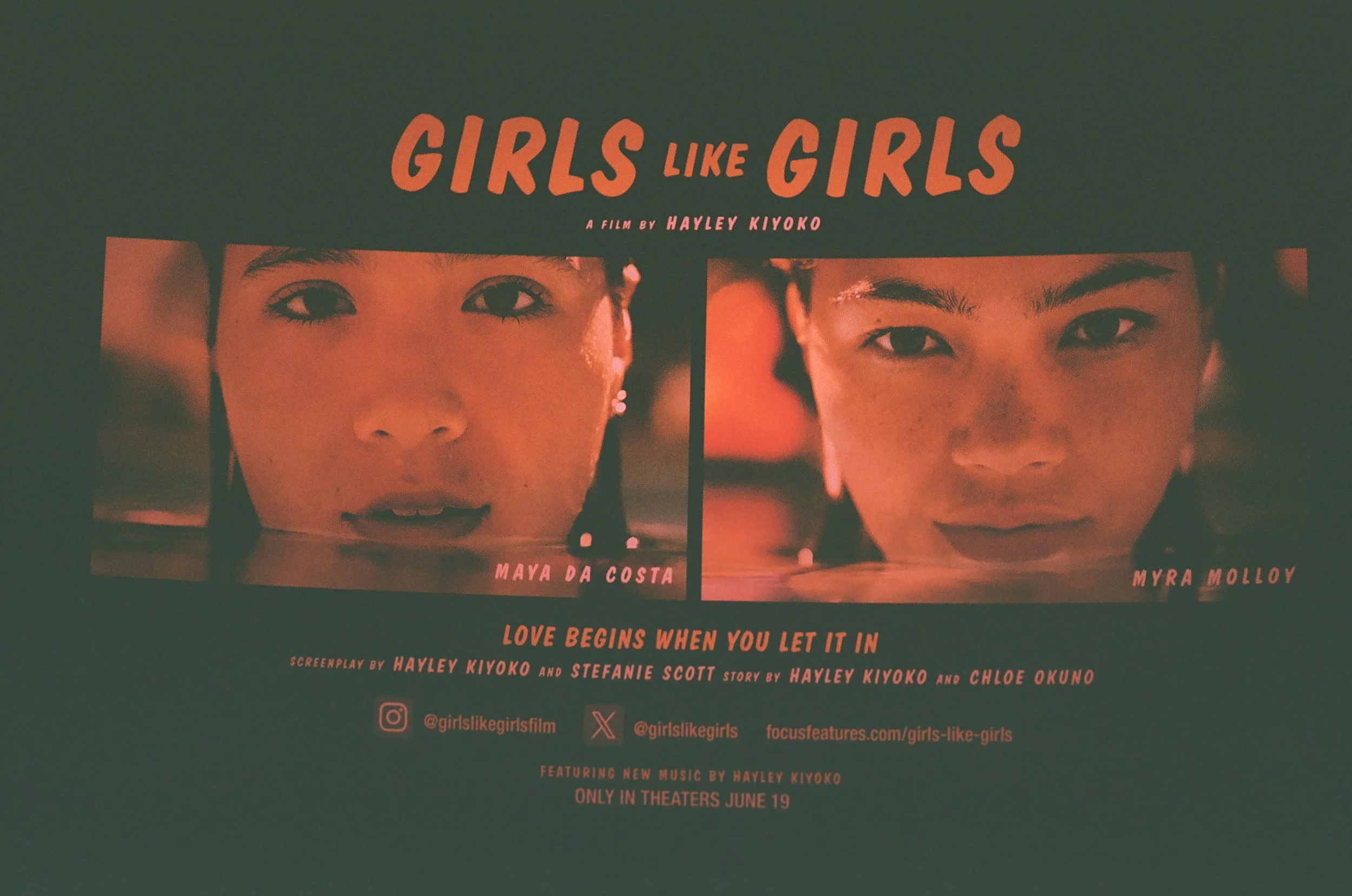
"Girls Like Girls," by Valentina Moreno
Films help us understand one another.
Girls Like Girls, written and directed by Hayley Kiyoko, follows Coley (played by Maya Da Costa), a 17-year-old girl navigating her sexuality after her mother passes away. Following her loss, she must move to Oregon to live with the father, (played by Zach Braff), who abandoned her as a child. Upon arrival, she meets Sonya (played by Myra Molloy), a bubbly, popular teen who immediately embraces her. As their relationship deepens, the film beautifully explores the complexities of queer youth, grief, and self-acceptance.
It took Kiyoko almost ten years to bring this film to the big screen, but why?
During the Q&A portion of the screening, I found it fascinating to learn just how much time and energy she poured into this story. She shared that she wrote some of the songs featured in the film when she was just a teenager herself, making the entire project feel incredibly personal and hands-on.
However, the road to production was not easy, and Kiyoko had to maintain immense optimism throughout the shoot. She noted that industry obstacles almost made it impossible to tell this story. Girls Like Girls, evolved over a decade, starting as a song, then a music video, then a bestselling novel, and finally a feature film. Yet, despite massive love from audiences at every stage, she faced a Hollywood landscape where it felt like no one wanted to actually fund or greenlight the movie.
This struggle highlights exactly why queer stories are so vital. As mentioned before, cinema serves as a tool for mutual understanding. While some decision-makers mistakenly assume that audiences cannot relate to same-sex love stories, these narratives are precisely what help people step outside of themselves and learn to empathize with one another.
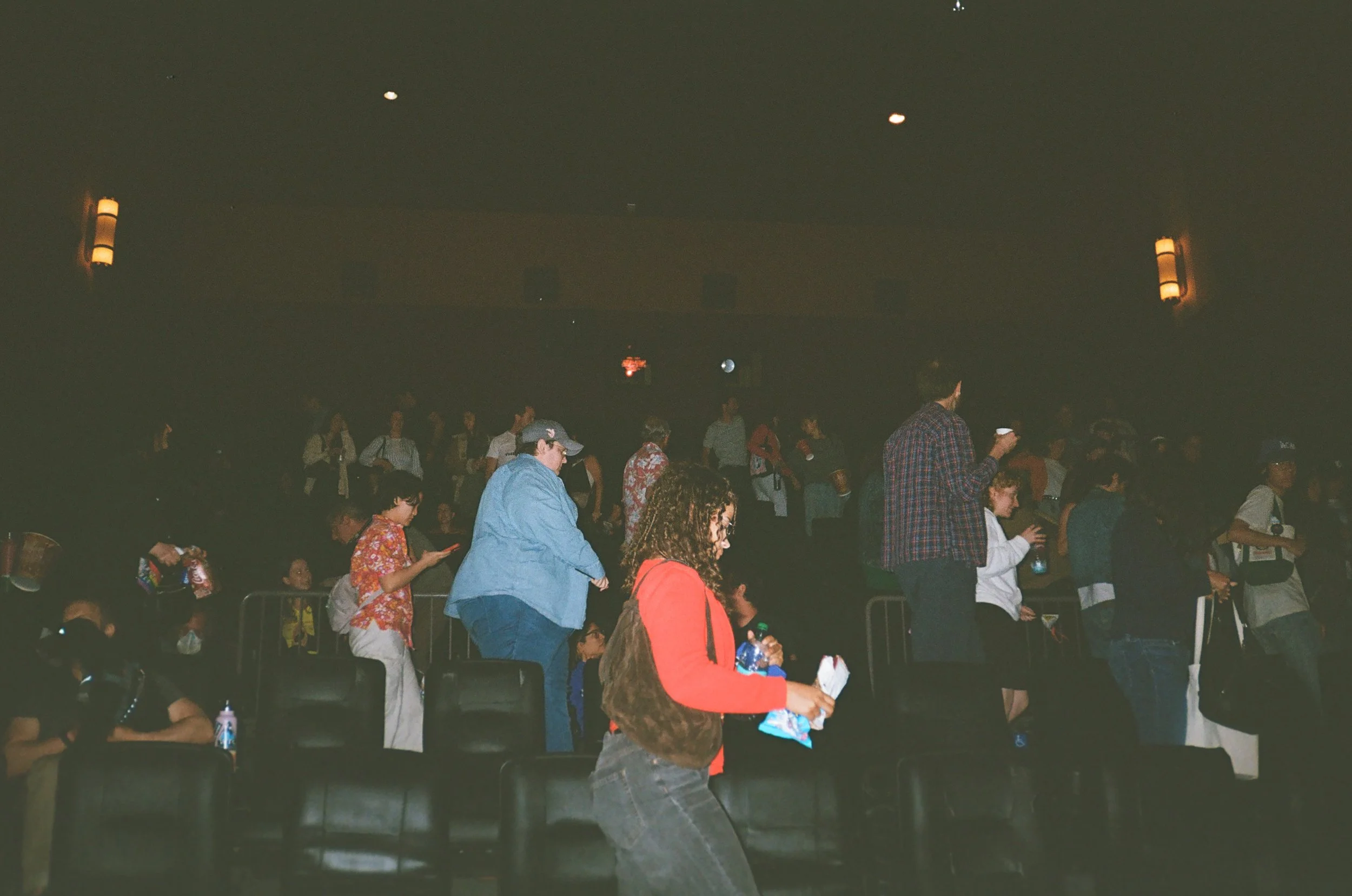
"The Audience," by Valentina Moreno
Overall, Girls Like Girls is a good film, though it stops just short of being great due to a lack of deeper character exploration.
The movie leaves several critical relationships feeling slightly unfinished. Specifically, we do not get enough context regarding Sonya’s relationship with herself or her mother. It remains unclear why they never openly address how Sonya interacts with her peers, or what exactly makes her feel so immediately comfortable letting her guard down around Coley. Vice versa, Coley’s internal journey with her own sexuality can be difficult to track at times. While her emotional breakthrough toward the end of the film is satisfying, her sudden choice to run right back to Sonya feels incredibly rushed after we just witnessed her begin to heal on her own. Then again, because the story centers on the messy, impulsive nature of teenagers, this rapid emotional rebound does feel authentic to the age group.
Despite these narrative gaps, the film is absolutely worth watching. The production choices are excellent, the Pacific Northwest location feels like its own living character, and the soundtrack is golden, perfectly capturing the emotional highs and lows of youth.
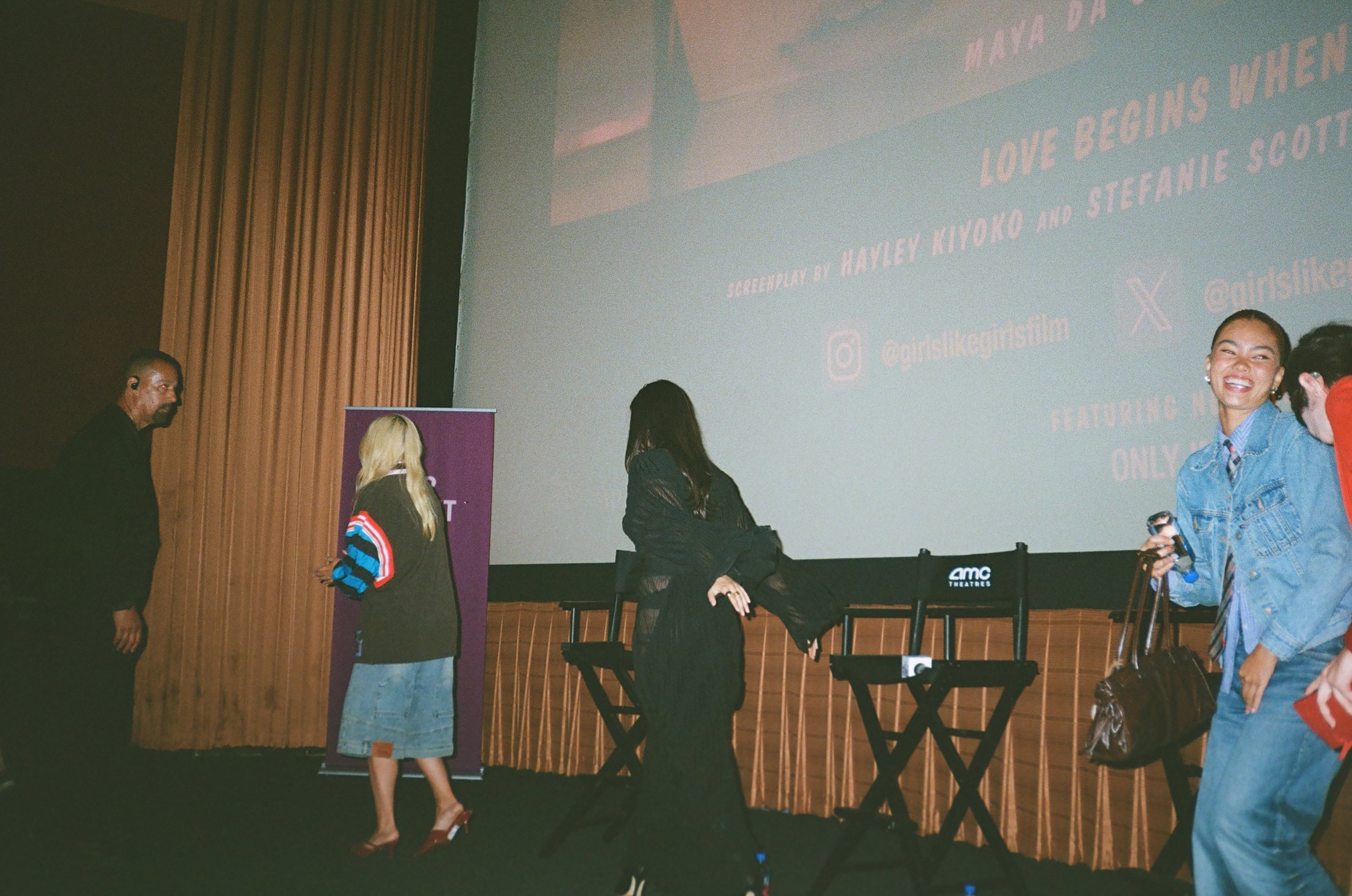
"The Cast," by Valentina Moreno
